Prices
  Request a call back
  Moving Guides
  Free quote
 Ealing Broadway removals insider tips for tight streets
Posted on 20/06/2026
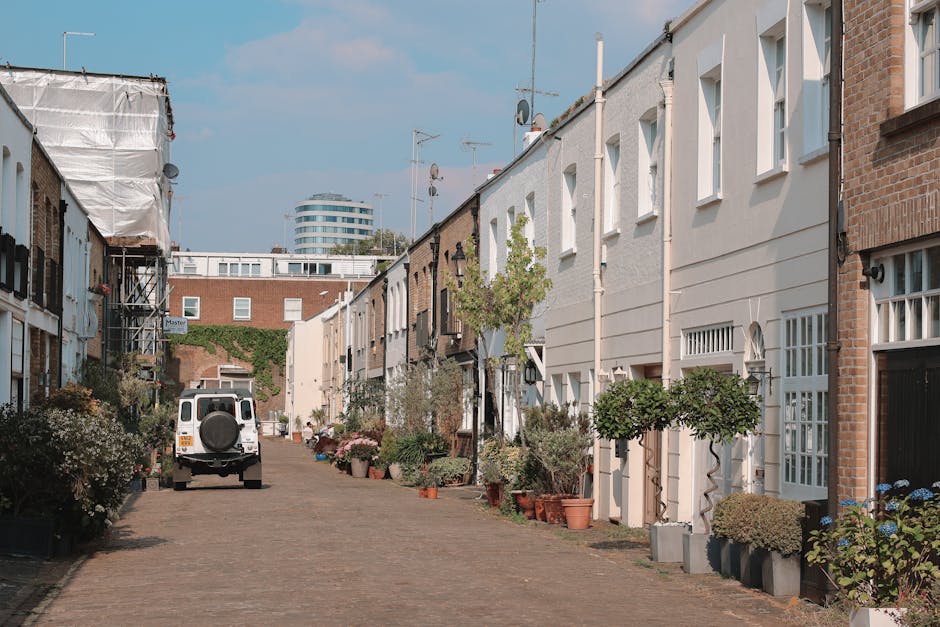
Moving in and around Ealing Broadway can feel deceptively simple until the van arrives and the street suddenly looks three feet narrower than it did on the viewing. If you are dealing with terraced roads, parked cars, awkward corners, resident-only bays, or a flat above a shop, the small details matter. A lot. These Ealing Broadway removals insider tips for tight streets are designed to help you plan sensibly, avoid the classic bottlenecks, and keep the day moving even when access is a bit of a faff.
Truth be told, most moving headaches in this part of west London are not about the lifting itself. They are about access, timing, and coordination. Get those right, and the rest feels manageable. Get them wrong, and you end up with a tired team, a frustrated neighbour, and a sofa that refuses to fit round the last bend. Below, I will walk through what actually helps in the real world, not just in theory.
Why Ealing Broadway removals insider tips for tight streets Matters
Ealing Broadway sits in a busy, lived-in part of London where road width, parking pressure, and foot traffic can change the feel of a move completely. One road may have just enough space for a medium van; the next may force a vehicle to stop half a street away. That is why local know-how matters more here than in a roomy suburban cul-de-sac.
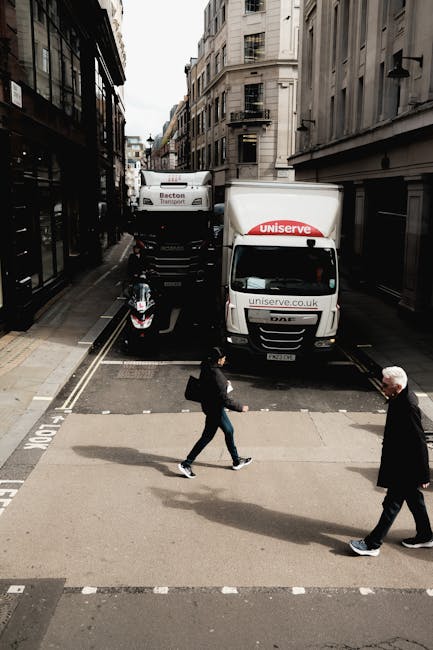
When space is tight, every extra minute compounds. If the van has to double-park while someone runs up four flights of stairs, the job can slow down fast. Add school-run traffic, delivery vehicles, or a neighbour trying to squeeze past, and you have the sort of day that tests everyone's patience. Nobody wants that. Not the customer, not the movers, and certainly not the driver trying to reverse around a corner with a wing mirror held on by hope.
Local conditions also shape what counts as a sensible plan. In some streets, a smaller vehicle or a split-load approach is simply safer and faster. In others, a full-size removal lorry may still work if the timing is right and access is clear. The point is to match the move to the street, not the other way round.
Expert summary: Tight-street removals are won before moving day. Measure access, plan parking, reduce load size where needed, and keep communication clear. That is the difference between a smooth morning and a very long one.
How Ealing Broadway removals insider tips for tight streets Works
The practical side of a tight-street move usually breaks down into four parts: access, vehicle choice, packing, and timing. Those sound obvious, but the detail beneath them is where people either save hours or lose them.
First, access. You need to know where the vehicle can stop, how far items must be carried, whether there are steps or narrow hallways, and whether furniture can turn inside the property without damage. A quick look at the front door is not enough. You need to picture the full route: from van to pavement, pavement to entrance, entrance to room. That is the real workflow.
Second, vehicle choice. In tight streets, smaller is often better, but not always. A compact van may park more easily, yet if the load is large, you could end up making multiple trips and stretching the day. For many local jobs, a flexible option like man and van support in Ealing can be a practical middle ground, especially for flats, partial loads, and quick turnarounds.
Third, packing. Good packing is not just about protecting items; it is also about making them carry-friendly. Heavy boxes that are hard to grip, flimsy wardrobe cartons, or loose handles add time and risk. A calmer move usually starts with proper materials and a sensible labelling system, which is why many people look at packing and boxes in Ealing before the big day.
Fourth, timing. Street pressure is rarely constant. Early morning may be best in some spots; in others, the school run or commuter flow changes the picture. The move is easier when you pick a window that suits the street, the building, and your neighbours. It sounds small, but it really isn't.
Key Benefits and Practical Advantages
Done properly, a tight-street move brings more than just a successful unload. It can reduce stress, limit damage, and keep costs under control. Those are the obvious wins. The less obvious one is morale. A move that feels organised is easier on everyone. Even the kettle seems to notice.
- Fewer delays: Clear access and the right vehicle reduce parking faff and repeated repositioning.
- Lower damage risk: Shorter carries and better route planning mean fewer bumps, scrapes, and awkward lifts.
- Better neighbour relations: A tidy, efficient move is far less disruptive on a street where people live very close together.
- More accurate pricing: When the access conditions are clear, quotes tend to be more realistic and less likely to shift on the day.
- Less physical strain: Movers can work more safely when they are not wrestling a wardrobe around a car bonnet.
If you are comparing moving providers, it is worth checking whether they understand local conditions rather than just offering a generic service. Pages like removal services in Ealing and removals in Ealing can help you judge what is available and how well it fits a narrow-street move. If your property is a top-floor flat, flat removals in Ealing may also be the better lens for planning.
Who This Is For and When It Makes Sense
These tips matter most if you are moving from a flat, a terraced house, a converted property, or an office on a busy road. They are also useful if your home has no off-street parking, your building has a narrow stairwell, or your furniture includes awkward pieces that do not enjoy tight corners. And honestly, that covers more people than you might think in Ealing Broadway.
This guidance is especially relevant for:
- people moving in and out of central Ealing Broadway streets
- tenants relocating from flats above shops or maisonettes
- families with larger furniture and limited parking
- students and sharers moving smaller loads on a tight schedule
- small businesses handling office or archive moves in compact premises
It also makes sense if you need a faster, more flexible moving style rather than a full-scale removals operation. Sometimes a smaller crew and van is simply the smarter choice. Other times, the job needs a larger team with better logistics. If you are unsure, it can help to look at the broader services overview and decide what fits your property rather than what sounds impressive on paper.
Step-by-Step Guidance
- Survey the street from end to end. Do not just stand outside your front door. Walk the route a vehicle would need to take, note bends, trees, parked cars, and any places where two-way passing looks unlikely.
- Measure access properly. Check doorway widths, stair turns, lift sizes, and the height of furniture that needs to pass through. Measure the awkward piece, not only the room it sits in.
- Identify the parking strategy early. Decide where the van can stop, how long it can stay there, and whether a back-up spot exists if the first option is blocked. If parking is likely to be difficult, tell your mover in advance.
- Reduce what needs to travel. Sell, donate, recycle, or dispose of items you no longer need. Every unnecessary item adds pressure to the van and the timetable.
- Prepare the property. Clear hallways, protect floors where needed, remove loose pictures, and keep doors open safely. The less clutter on the path, the better.
- Pack for carrying, not just storing. Use smaller boxes for books, reinforce fragile items, and label by room. One box marked "miscellaneous" is fine. Ten of them, not so much.
- Confirm arrival timing. The easiest street slot may be earlier than you hoped, or later than you planned. Build in flexibility if the road gets busy.
- Keep one person available. Someone needs to answer questions, direct the team, and confirm where items go. It saves a surprising amount of wandering about.
If the property contains bulky or delicate items, consider specialist handling rather than trying to brute-force the move. For example, pianos, large wardrobes, and heavy furniture all need a different approach. You can explore dedicated support such as piano removals in Ealing or furniture removals in Ealing where relevant.
Expert Tips for Better Results
Here is where the real insider stuff comes in. Nothing magical. Just the bits that make life easier.
Use smaller boxes than you think you need. Big boxes look efficient until they become impossible to lift. In tight streets, control matters more than box count.
Protect the first and last ten metres. The pavement, threshold, hallway, stair turns, and front path are where most accidental knocks happen. A little floor protection goes a long way.
Pre-stage items near the exit. If the movers can collect grouped boxes and furniture in the right order, the whole load-out is steadier. You are basically helping the day flow, not forcing it.
Be honest about access. A "normal staircase" can mean very different things depending on the building. If the stairs are tight, curved, steep, or cluttered, say so. Nobody benefits from downplaying it.
Think about neighbours. A quick note through doors or a polite conversation in the morning can prevent friction. People are usually more tolerant when they know what is happening.
Keep fragile items separate. Glass, lamps, mirrors, and electronics should not be mixed with random household bits. It is a small discipline that pays off immediately.
Book the right type of help. For lighter or partial loads, man with a van in Ealing can suit a narrow road better than a full-scale lorry-based move. For larger household relocations, home removals in Ealing may be the more practical fit.
One more thing: if the job is time-sensitive, keep a buffer. Ten or fifteen minutes sounds tiny until you are trying to reverse a van past a delivery truck. Then it feels like a luxury.
Common Mistakes to Avoid
Most moving problems in tight streets are not dramatic. They are ordinary mistakes that stack up. The good news? They are preventable.
- Assuming the van will fit because a car fits. This is a very common trap. Removal vehicles need more turning room and clearance.
- Leaving parking decisions until the morning of the move. By then, you may have lost the best space already.
- Overfilling boxes. Heavy, unstable boxes slow everyone down and increase the chance of dropped items.
- Not measuring larger furniture. Sofas, beds, mirrors, and desks are the classic troublemakers.
- Forgetting building rules. Some flats or offices have lift bookings, access codes, or restrictions that need advance planning.
- Trying to do too much in one trip. Sometimes a second run is cheaper, safer, and quicker than forcing everything into one overloaded van.
- Ignoring weather. Rain, wet floors, and slippery pavements add risk. Wet cardboard is nobody's friend.
A quiet but important point: if you are moving out of a property with lots of stairs, you should expect the pace to be slower than in a ground-floor house. That is not a failure. It is just reality. Planning around it saves far more stress than pretending it will be easy.
Tools, Resources and Recommendations
You do not need a mountain of specialist kit to move successfully in Ealing Broadway, but a few basics make a real difference.
- Measuring tape: essential for doors, stair turns, and furniture dimensions.
- Labels and marker pens: simple, but incredibly effective for room-by-room sorting.
- Furniture covers and blankets: helpful for protecting corners and polished surfaces.
- Strong tape and box reinforcement: especially useful for books, crockery, and anything dense.
- Clear path planning: not a physical tool, but probably the most useful one of all.
For people who want a fuller view of what a mover can handle, the page on removal companies in Ealing is a useful reference point. If you are trying to keep costs sensible without losing flexibility, pricing and quotes is worth checking early, not after you have already booked a date. That is one of those boring little jobs that saves real money. Boring, yes. Useful, absolutely.
If you are moving a business rather than a home, office removals in Ealing can be a better fit for a structured, out-of-hours plan. For same-day or short-notice situations, same-day removals in Ealing may also be worth considering, though availability and suitability will depend on the job.
Law, Compliance, Standards, or Best Practice
On a narrow London street, compliance is mostly about common sense, road awareness, and working within local parking and access rules. You should always check what applies to your specific road, building, and move date. Councils and building managers may have their own requirements, and these can change depending on time of day or the nature of the property.
From a removals perspective, best practice usually includes sensible loading, safe lifting, clear access management, and honest communication about risks. Reputable movers should also have appropriate insurance arrangements, staff safety procedures, and a practical approach to handling fragile or heavy items. If you are comparing providers, look for signs that they treat safety seriously rather than as a footnote.
It is also wise to understand the terms of service before you book. Small print can matter when access is difficult, parking is limited, or delays are possible. The site's terms and conditions and insurance and safety information are useful places to review expectations. That way, nobody is left guessing on the day.
Another practical consideration is sustainability. If you are clearing out unwanted items, ask how reusable packing, recycling, or responsible disposal is handled. The environmental side of moving is often overlooked, but it is part of good practice. The page on recycling and sustainability is relevant if you want your move to be a bit less wasteful, which, fair enough, most people do.
Options, Methods, or Comparison Table
Choosing the right move style is often about matching the job to the street. Here is a simple comparison to help you think it through.
| Method | Best for | Pros | Trade-offs |
|---|---|---|---|
| Small van / flexible crew | Flats, short-notice moves, tight access | Easier parking, faster manoeuvring, less street disruption | May need multiple trips for larger loads |
| Standard removal vehicle | Medium-sized home moves | More capacity, fewer trips, efficient for fuller loads | Harder to park on narrow roads |
| Specialist handling | Pianos, oversized furniture, delicate items | Safer for difficult objects, lower damage risk | Needs extra planning and usually more coordination |
| Office-style move | Workspaces, archive rooms, commercial premises | Structured timing, clear packing order, better for equipment | Requires precise planning and access control |
The honest answer is that there is no single best option for every Ealing Broadway move. A top-floor flat on a tight road needs different logistics from a family house with rear access. If you are unsure, compare the likely carry distance, parking pressure, and furniture size first. That usually points you in the right direction.
Case Study or Real-World Example
Picture this: a couple moving from a second-floor flat near Ealing Broadway with no driveway, limited parking, and a hallway that turns sharply after the front door. Not a nightmare, but not easy either. They had a sofa, bed frames, six heavy boxes of books, and a few fragile pieces of art. The first instinct was to book a bigger vehicle and hope for the best.
Instead, they took a more measured approach. They checked access in advance, packed the books into smaller boxes, moved a few non-essentials before the main day, and arranged the van for a quieter part of the morning. They also warned neighbours and kept the entrance clear. Nothing fancy. Just decent planning.
The result? No last-minute parking scramble, no awkward delay while the sofa tried to take on the stairwell, and no rushed packing in the rain. The move still took effort, of course. Moving always does. But it felt controlled, which is half the battle. And if you have ever stood in a hallway with a mattress and a tape measure, you will know exactly what I mean.
Practical Checklist
Use this checklist a day or two before the move, not ten minutes before the van turns up.
- Measure doorways, stairs, and any awkward corners.
- Confirm where the van can stop legally and safely.
- Check whether building access needs codes, keys, or bookings.
- Pack heavy items into smaller boxes.
- Label boxes by room and priority.
- Protect floors, thresholds, and delicate surfaces.
- Set aside essentials you will need immediately after arrival.
- Tell neighbours if the street will be busy.
- Separate valuables and fragile items.
- Keep a contact person available on the day.
- Review mover terms, insurance, and safety arrangements.
- Have a backup plan if the main parking spot is occupied.
Key takeaway: On a narrow Ealing Broadway street, the best move is the one that reduces friction before it starts. Measure, simplify, communicate, and keep the load realistic.
Conclusion
Ealing Broadway removals on tight streets are rarely difficult because of one giant problem. They are difficult because of ten small ones that arrive together. A narrow entrance, a parked van, a box that is too heavy, a stair turn that is a bit sharper than expected - all manageable on their own, but troublesome as a group.
The good news is that you can plan around most of it. Choose the right vehicle size, pack sensibly, measure honestly, and think about the street as carefully as you think about the property. If you do that, the day becomes far less stressful and far more predictable. And that, in the middle of a busy London move, is worth a lot.
If you are preparing for a move and want a service that understands local access issues, it is worth reviewing the wider options, checking the practical details, and choosing the approach that fits your street rather than forcing the street to fit the move.
Get a free quote today and see how much you can save.
With the right planning, even a tricky Ealing Broadway street can feel surprisingly manageable. One careful step at a time, that is usually enough.